Brent Rovers
Menu
Jun 14, 2024
Understanding branding and managing expectations for a new website’s look and feel
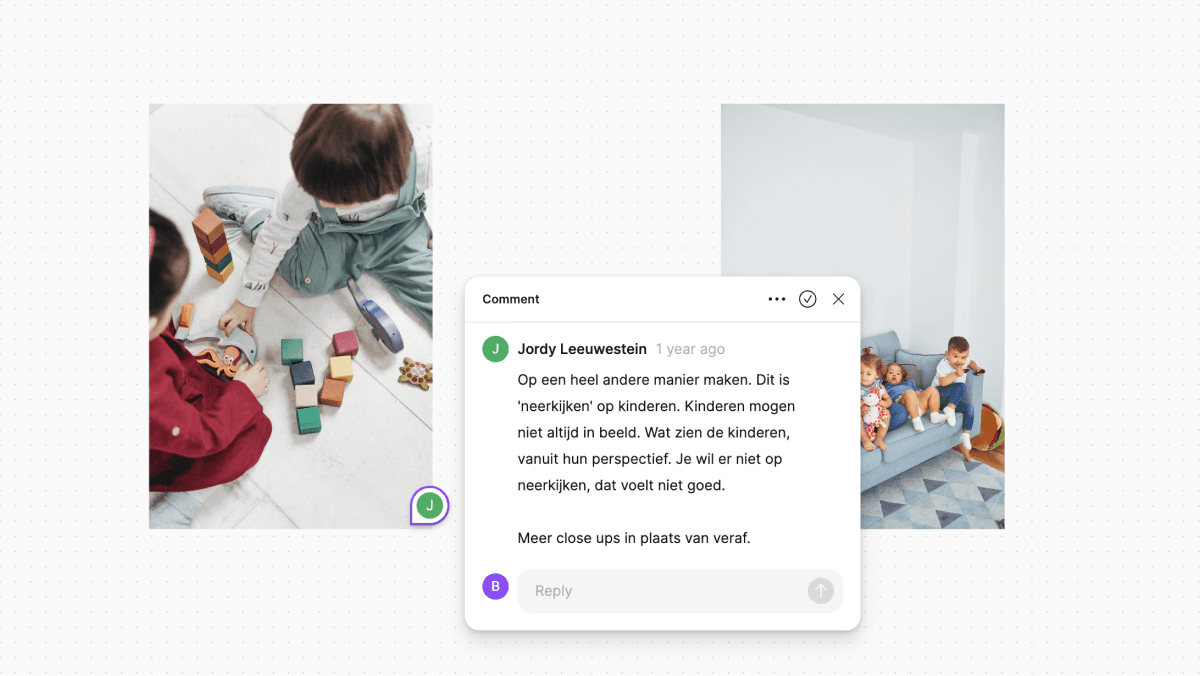
Childcare website example on the use of photography
Business
Creating a new website is more than just an exercise in design; it’s about capturing and communicating the essence of a brand. To do this effectively, it’s crucial to understand the brand deeply and manage client expectations for the website's look and feel. One approach I've found particularly valuable is organizing workshops with clients to delve into their brand identity and vision. Here’s how these workshops help shape the design process and ensure that the final product truly reflects the brand.
Defining the brand in simple terms
A key part of these workshops is having the client explain their brand in simple, straightforward language. I ask them to describe what their brand stands for, the feeling they want to convey, and what makes them unique. This exercise strips away jargon and gets to the heart of the brand’s identity. By understanding the brand from the client’s perspective, I can make more informed design decisions that align with their vision.
Identifying gaps in current communication
Another important aspect of the workshop is discussing what the current website lacks in terms of brand communication. This helps pinpoint areas where the new website can improve and better reflect the brand’s identity. Understanding these gaps allows me to focus on addressing specific weaknesses, ensuring that the new site not only looks great but also effectively communicates the brand’s message.
Exploring brand guidelines
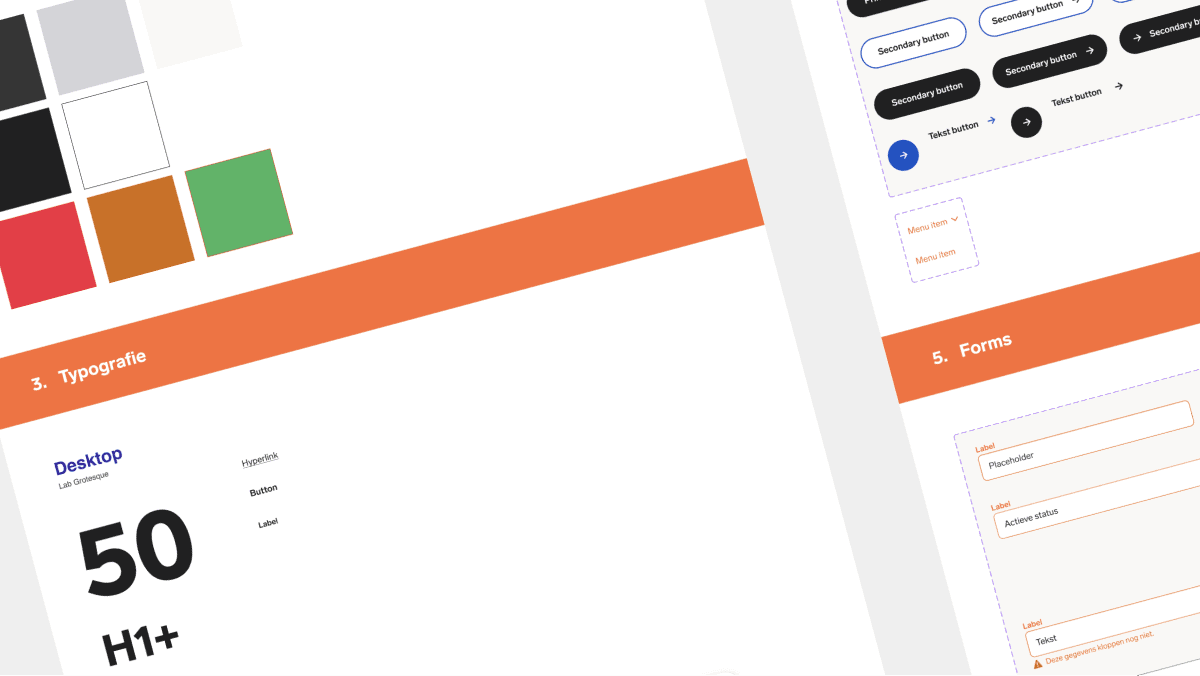
If brand guidelines are available, I ask the client to go through them with me, explaining the meaning behind certain elements. This review provides insights into the brand’s visual identity and the rationale behind key design choices, such as color schemes, typography, and imagery. It’s an opportunity to clarify how these elements should be used to reinforce the brand’s message on the new website.
Inspiration from other websites
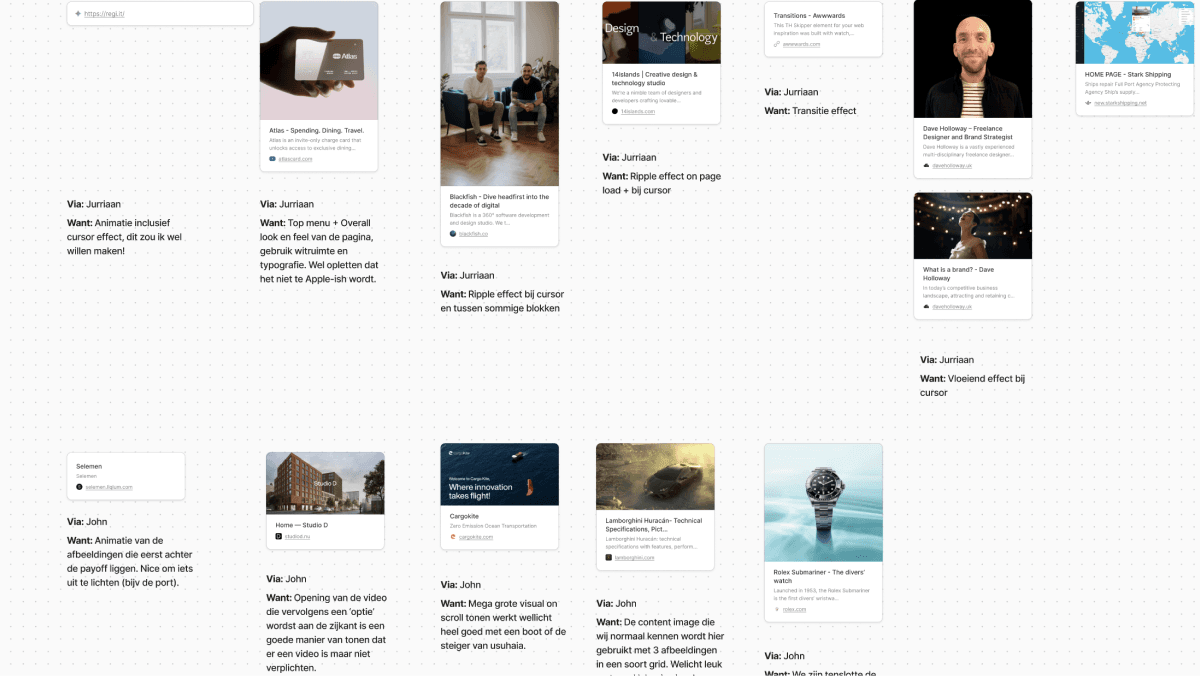
Clients sometimes bring inspiration from other websites to the workshop, which can be incredibly helpful. These examples serve as a reference point for the look and feel they aspire to achieve. By discussing what they like or dislike about these examples, I gain a clearer understanding of their aesthetic preferences and how to translate those into their own website design.
Making informed design choices
Armed with the insights from these workshops, I’m able to make small but impactful design choices that resonate with the brand’s identity. Whether it’s choosing colors that evoke a sense of friendliness, selecting typography that feels bold, or incorporating layouts that maintain a corporate tone, these choices are guided by a deep understanding of the brand. When presenting the design concept, I can refer back to the workshop discussions, showing how each decision aligns with the client’s vision.
Conclusion
Understanding the branding and managing client expectations are critical steps in creating a website that truly reflects a brand’s identity. By organizing workshops that encourage clients to articulate their brand in simple terms, identify communication gaps, and explore their brand guidelines, we can ensure that the design process is deeply informed and aligned with their goals. These sessions not only lead to better design outcomes but also foster a collaborative relationship, making the client feel heard and involved in the creative process. The result is a website that is not only visually appealing but also a true representation of the brand.
Creating a new website is more than just an exercise in design; it’s about capturing and communicating the essence of a brand. To do this effectively, it’s crucial to understand the brand deeply and manage client expectations for the website's look and feel. One approach I've found particularly valuable is organizing workshops with clients to delve into their brand identity and vision. Here’s how these workshops help shape the design process and ensure that the final product truly reflects the brand.
Defining the brand in simple terms
A key part of these workshops is having the client explain their brand in simple, straightforward language. I ask them to describe what their brand stands for, the feeling they want to convey, and what makes them unique. This exercise strips away jargon and gets to the heart of the brand’s identity. By understanding the brand from the client’s perspective, I can make more informed design decisions that align with their vision.
Identifying gaps in current communication
Another important aspect of the workshop is discussing what the current website lacks in terms of brand communication. This helps pinpoint areas where the new website can improve and better reflect the brand’s identity. Understanding these gaps allows me to focus on addressing specific weaknesses, ensuring that the new site not only looks great but also effectively communicates the brand’s message.
Exploring brand guidelines
If brand guidelines are available, I ask the client to go through them with me, explaining the meaning behind certain elements. This review provides insights into the brand’s visual identity and the rationale behind key design choices, such as color schemes, typography, and imagery. It’s an opportunity to clarify how these elements should be used to reinforce the brand’s message on the new website.
Inspiration from other websites
Clients sometimes bring inspiration from other websites to the workshop, which can be incredibly helpful. These examples serve as a reference point for the look and feel they aspire to achieve. By discussing what they like or dislike about these examples, I gain a clearer understanding of their aesthetic preferences and how to translate those into their own website design.
Making informed design choices
Armed with the insights from these workshops, I’m able to make small but impactful design choices that resonate with the brand’s identity. Whether it’s choosing colors that evoke a sense of friendliness, selecting typography that feels bold, or incorporating layouts that maintain a corporate tone, these choices are guided by a deep understanding of the brand. When presenting the design concept, I can refer back to the workshop discussions, showing how each decision aligns with the client’s vision.
Conclusion
Understanding the branding and managing client expectations are critical steps in creating a website that truly reflects a brand’s identity. By organizing workshops that encourage clients to articulate their brand in simple terms, identify communication gaps, and explore their brand guidelines, we can ensure that the design process is deeply informed and aligned with their goals. These sessions not only lead to better design outcomes but also foster a collaborative relationship, making the client feel heard and involved in the creative process. The result is a website that is not only visually appealing but also a true representation of the brand.

Brent Rovers